November 24, 2026 · PrettyBrity Journal
Munchkin Cats: Facts, Personality, Health and Care
What is a Munchkin cat? How the short-legs gene works, their playful personality, honest health facts and everyday care, from a Florida Munchkin cattery.
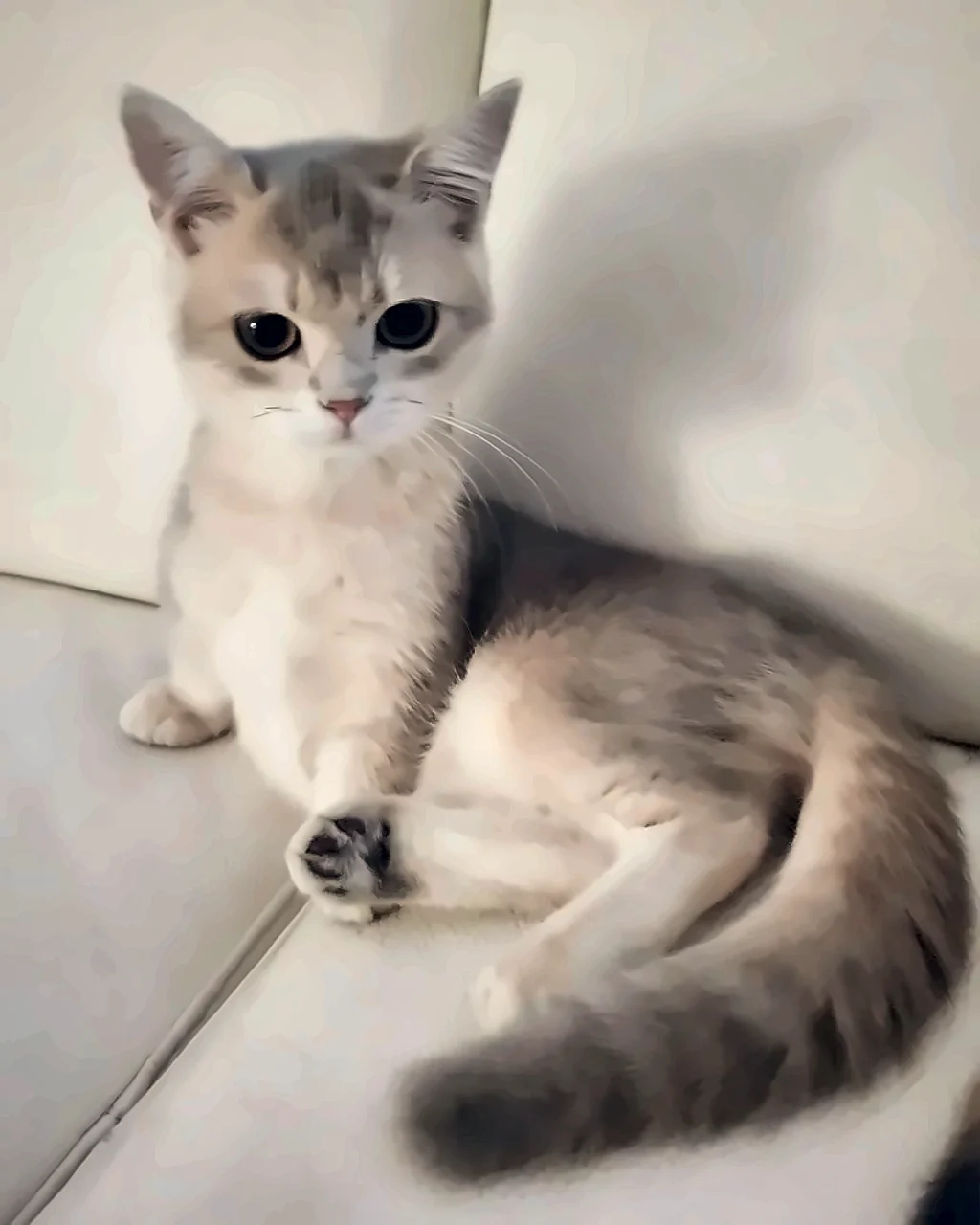
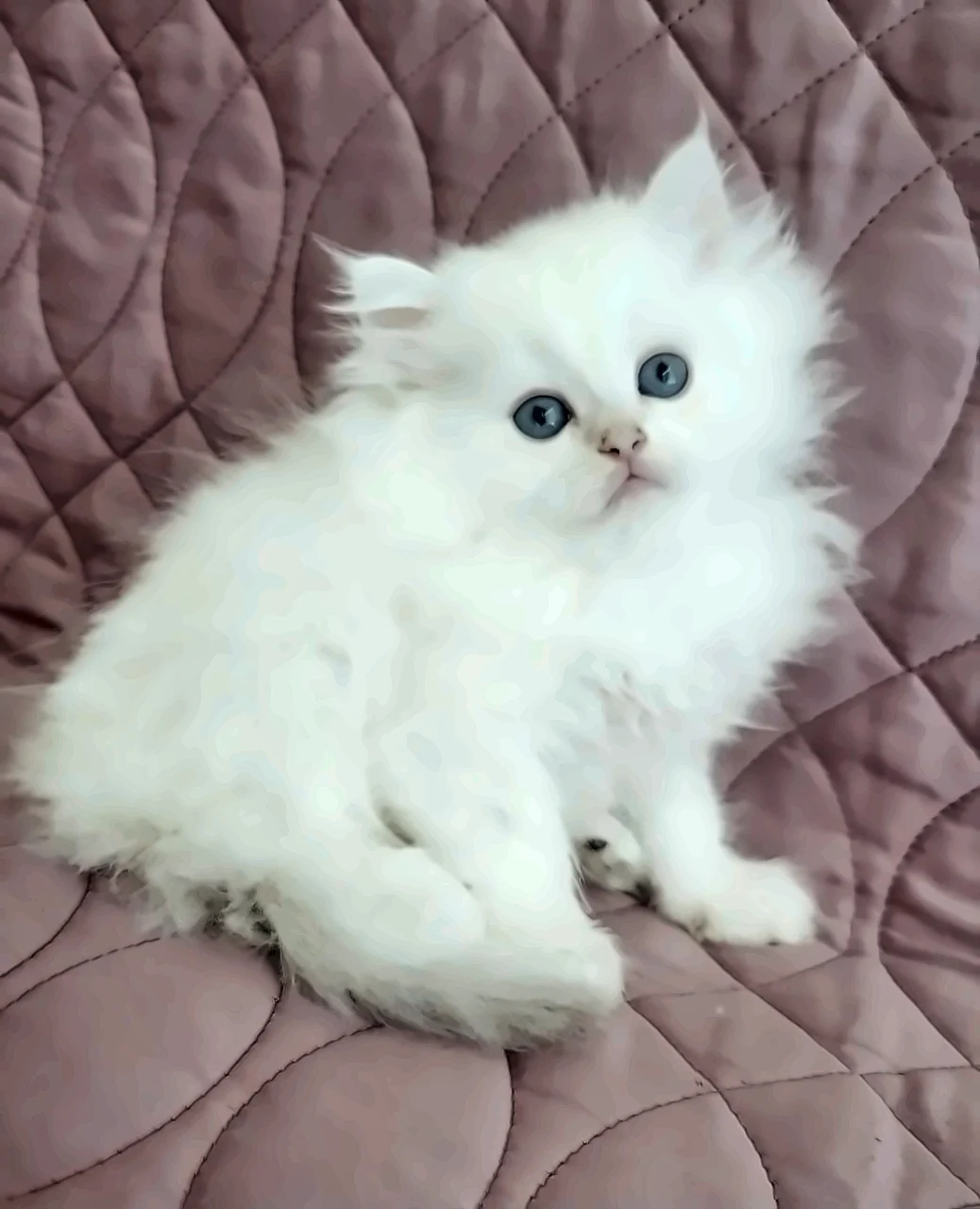
A Munchkin cat is a small cat with short legs and an otherwise normal-sized body, head and tail. The short legs come from one dominant gene, so a Munchkin is not a "miniature" cat and not a different species of tiny animal. In personality Munchkins are curious, social, playful and people-loving. In care they need the same things as any cat, plus a little extra attention to weight, jumping and joint comfort.
We raise Munchkins alongside our British Shorthairs, so this guide is our honest, plain-language picture of the breed: where it comes from, what the genetics mean, what living with one is really like, and what science does and does not yet know about their health.
What is a Munchkin cat?
The Munchkin is a relatively young breed. Short-legged cats have appeared in several places over the decades, and the modern breed was developed from them starting in the 1980s and 1990s. The International Cat Association (TICA) accepts Munchkins for registration and showing (TICA Munchkin breed page). The Cat Fanciers' Association does not currently recognize the breed.
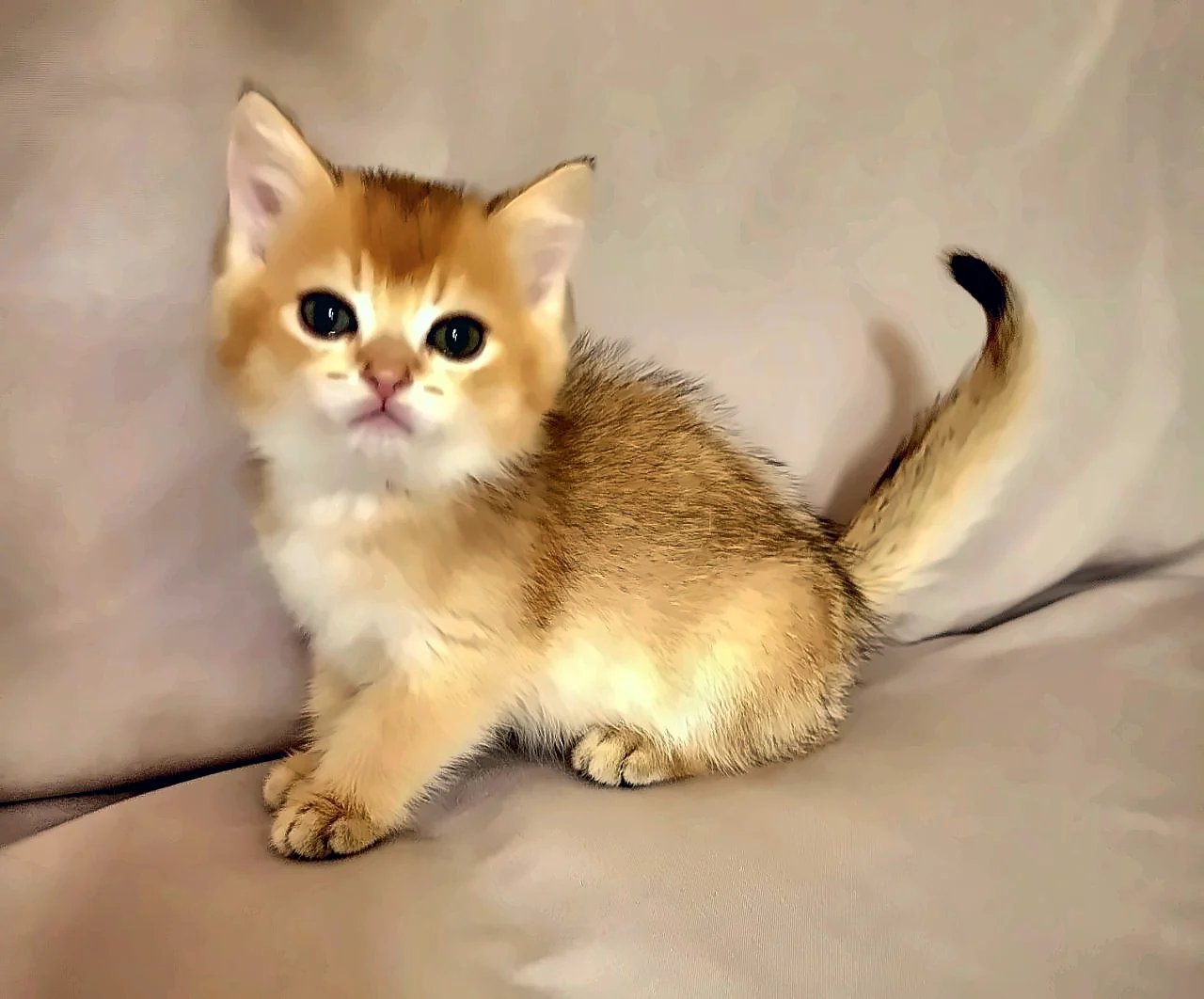
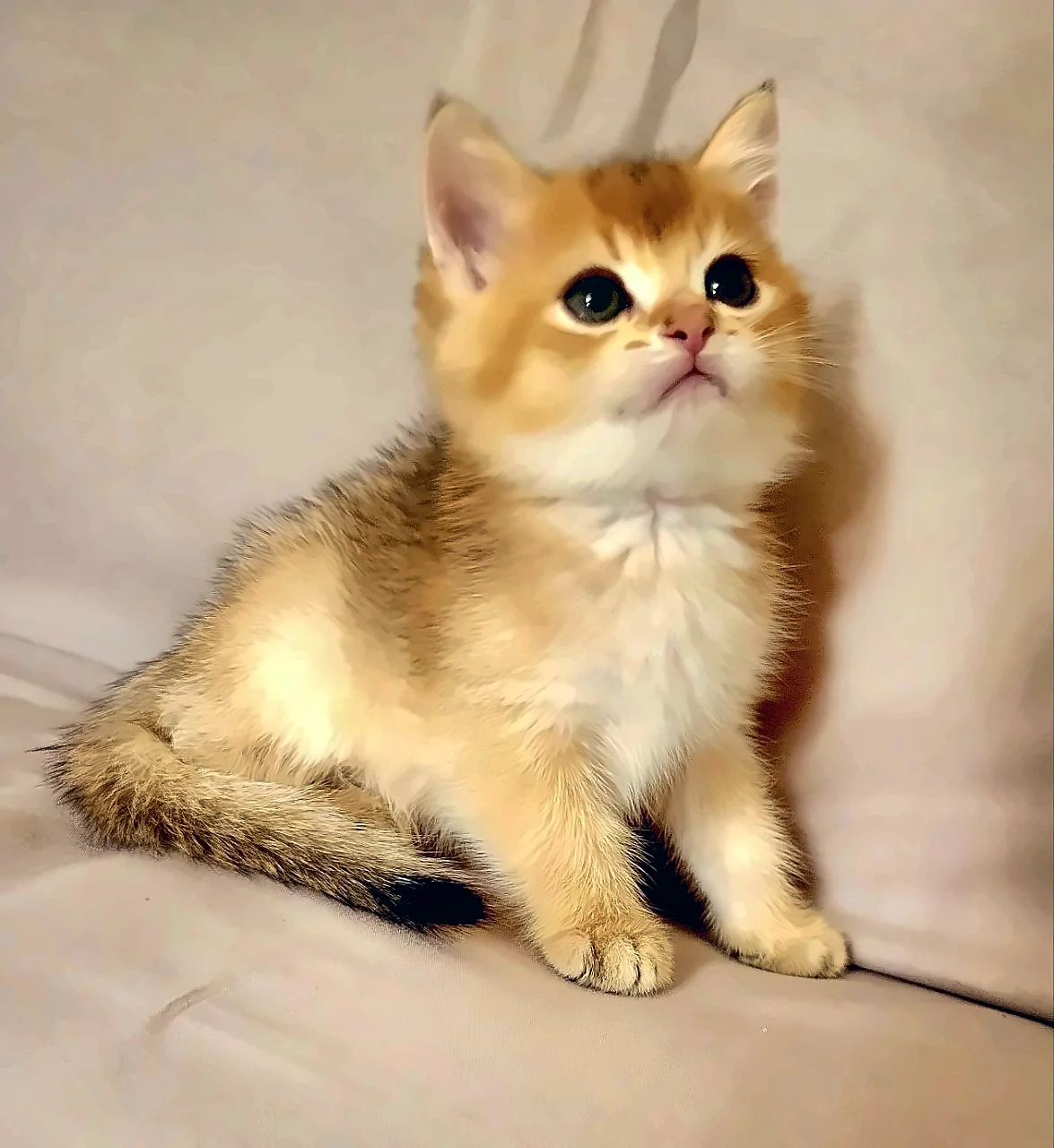
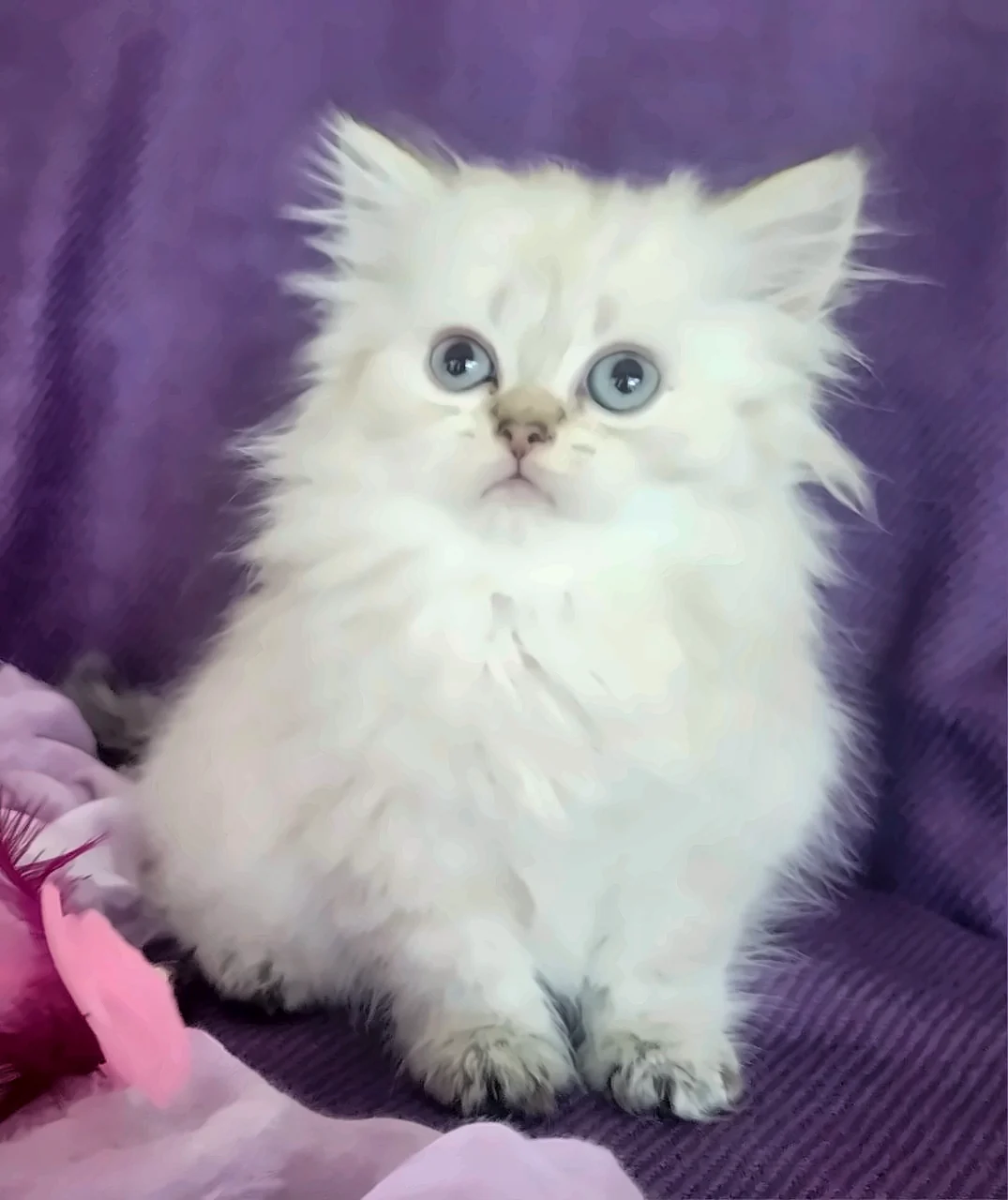
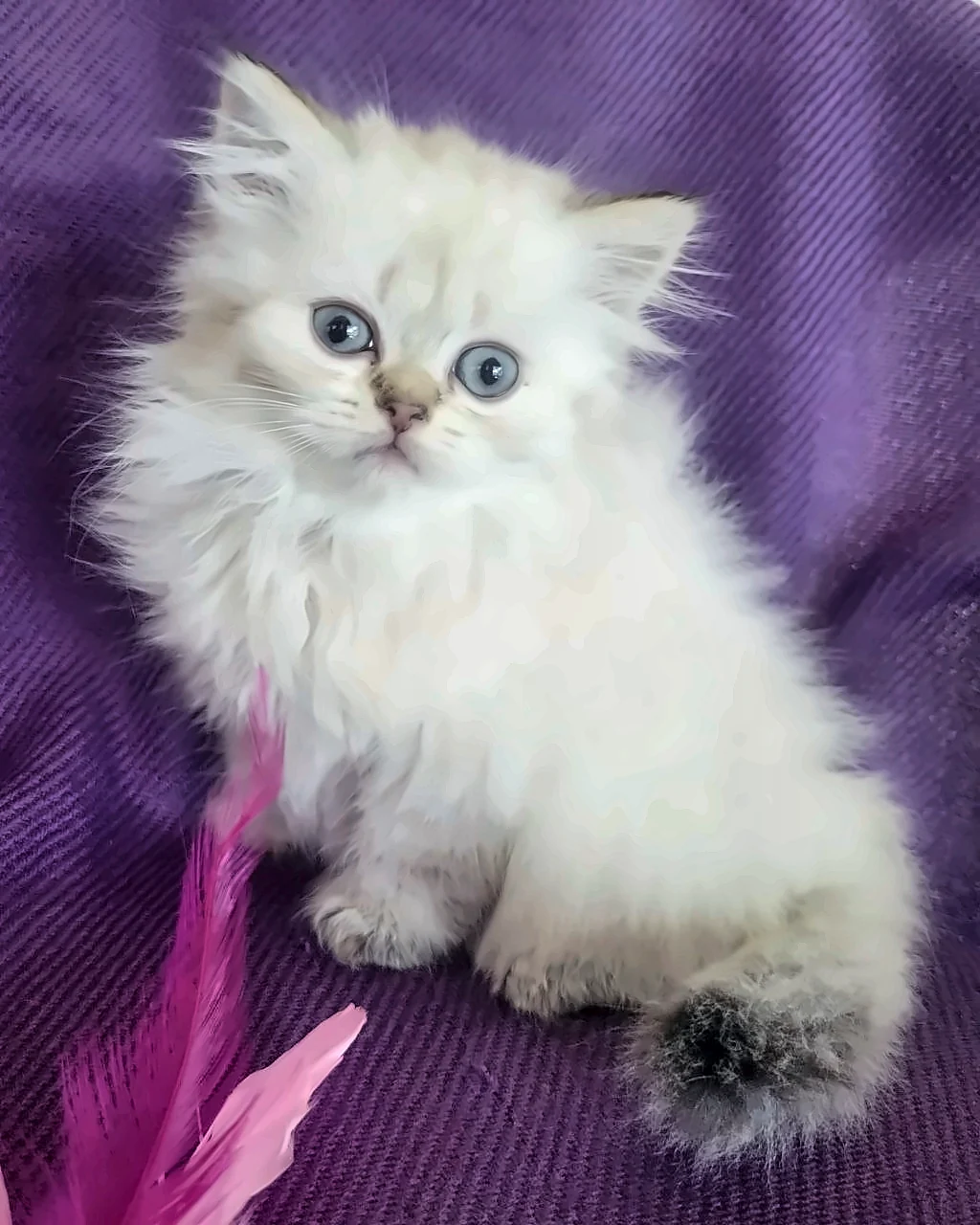
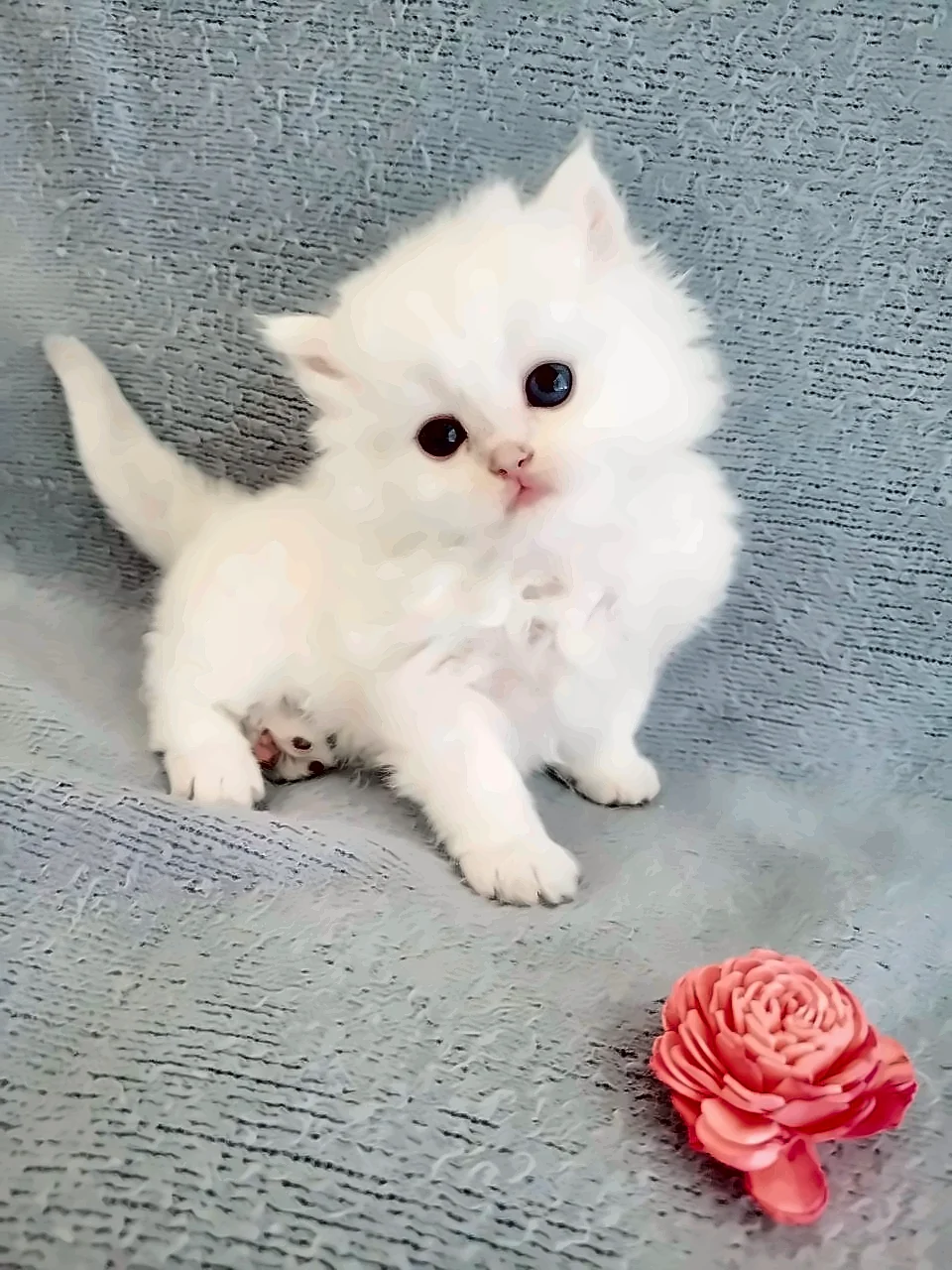
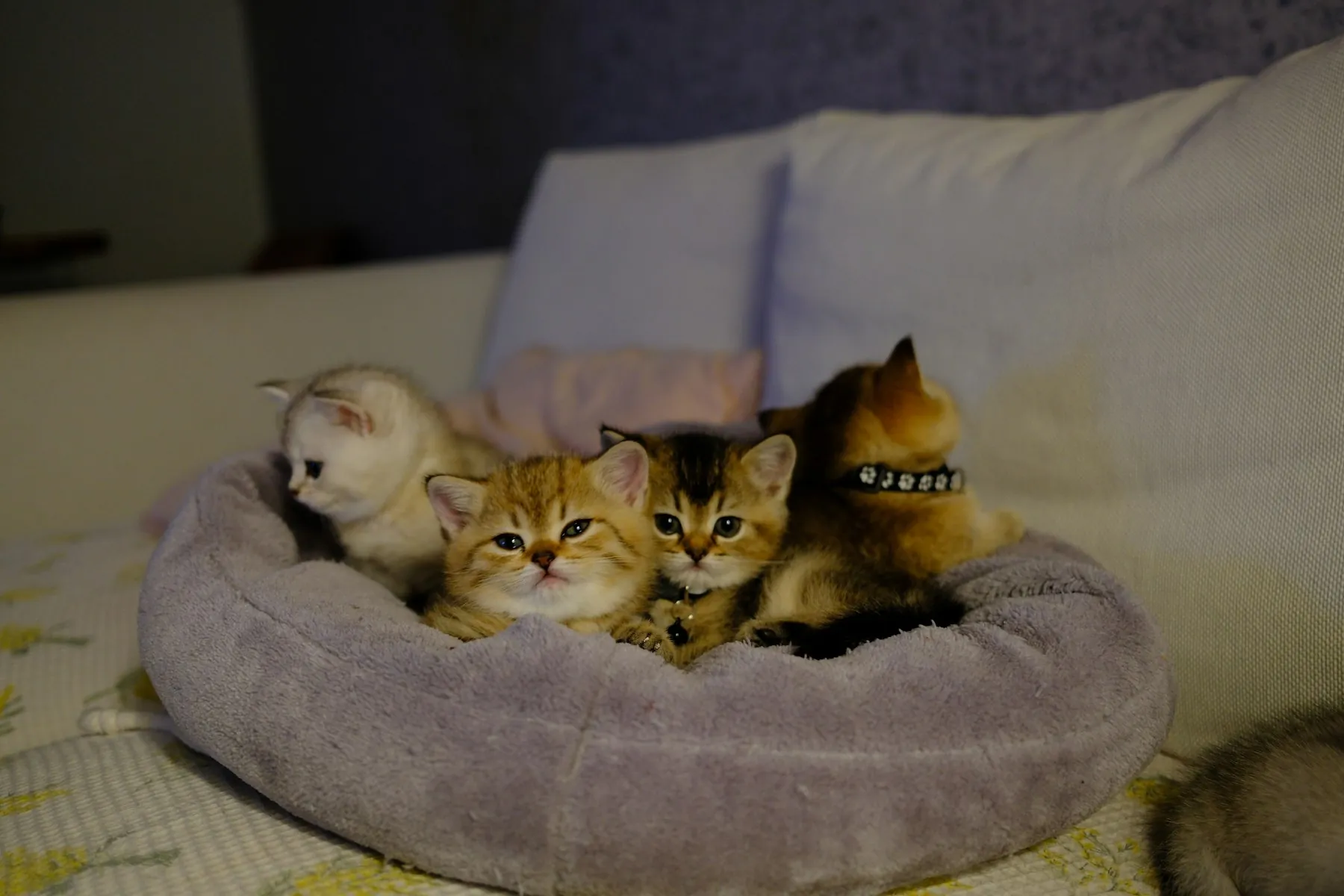
A Munchkin comes in two coat lengths (short and long) and in every color and pattern. Adults are usually medium-small, with the body proportions of an ordinary cat but legs that are noticeably shorter. Kittens look like any other kitten at first. The short legs become obvious as they grow.
How the short legs work: genetics in plain words
The short-leg trait is caused by a single dominant gene. Researchers have linked it to a variant in a gene called UGDH on cat chromosome B1 (research paper in PMC). In practice this means:
- A kitten that inherits the gene from a Munchkin parent will have short legs.
- A kitten that does not inherit it will have normal-length legs, even if its parent is a Munchkin.
- Because of this, a litter from a Munchkin parent can contain both short-legged and standard-legged kittens.
- Reputable breeding programs do not pair two Munchkins together, because kittens that inherit two copies of the gene do not survive. Responsible breeders outcross to cats without the gene instead.
Standard-legged kittens from Munchkin parents are sometimes called "non-standard" Munchkins. They are healthy, normal cats, though they cannot be shown as Munchkins.
Munchkin personality
Most Munchkins are described, by breeders and owners alike, as friendly and inquisitive. What we see and what is commonly reported:
- Social. They like company, follow their people from room to room and usually get along with other cats, gentle dogs and children who are taught to be careful.
- Playful. They chase toys, bat things off tables and tear around the house. Their speed often surprises new owners.
- Curious. Many sit up on their back legs to look around, a pose that charmed the breed's first fans.
- Adaptable. They do well in apartments and houses alike, as long as they have attention.
Every cat is an individual, and personality depends on family lines, early handling and how much time a kitten spends with people. A kitten raised underfoot at home, as ours are, tends to be confident and easy to live with.
Can Munchkins run, jump and climb?
Yes, though differently from a long-legged cat. Munchkins run fast and play hard. Their jumping is usually more modest, so they often reach a sofa or bed in two steps, using a chair or ottoman, instead of one leap. A tall cat tree with a very high first jump may not suit them.
Easy ways to help:
- Choose low, stable cat trees with wide platforms and carpeted ramps.
- Place a step or pet stairs beside the bed or sofa if your cat wants to join you.
- Use a litter box with a low entry.
- Keep favorite spots, food and water within easy reach.
Munchkin health: what we know and what we don't
This is the part that deserves honesty, because the breed is debated. Some veterinarians and welfare groups have raised concern that short legs may increase the risk of joint problems such as early osteoarthritis, or of spinal conditions such as lordosis, an abnormal curve of the spine. Breed supporters, including TICA, say that research has not shown the breed to carry additional debilitating conditions. The scientific record is thin: studies on Munchkins are few, and broader reviews note that evidence on breed-related health in cats lags behind what exists for dogs (review of purebred welfare). International Cat Care's position is that a bred cat must not be less healthy than the original type and that its welfare must not be compromised (International Cat Care position statements).
What this means for you as an owner:
- Treat joints and spine as something to watch gently, as you would with any cat, not as a reason for fear.
- Keep your cat lean. Extra weight is hard on every cat's joints, and short legs leave less margin.
- Tell your veterinarian your cat is a Munchkin at the first visit, and ask them what to watch for as your cat ages.
- Contact a veterinarian if you notice limping, reluctance to jump or climb, stiffness, a change in how your cat walks, or pain when touched.
This is general information, not a diagnosis, and your own veterinarian knows your cat best.
Everyday care
Most of Munchkin care is ordinary good cat care:
- Food. A balanced diet for the cat's age, measured portions and regular weight checks. Ask your vet about the right amount.
- Play. Short, energetic sessions with wand toys and floor games every day. Low-impact play suits them well.
- Grooming. Short coats need a weekly brush. Long coats need a few brushings a week to prevent mats, especially on the belly and the back of the legs where the fur is close to the floor.
- Vet care. Regular checkups and vaccinations on the schedule your veterinarian recommends.
- Safe home. Windows screened, no dangling cords, and easy access to the places your cat loves.
If you are new to cats, our new kitten checklist walks through what to prepare before bringing a kitten home, and bringing a new kitten home covers the first days.
Munchkin or British Shorthair?
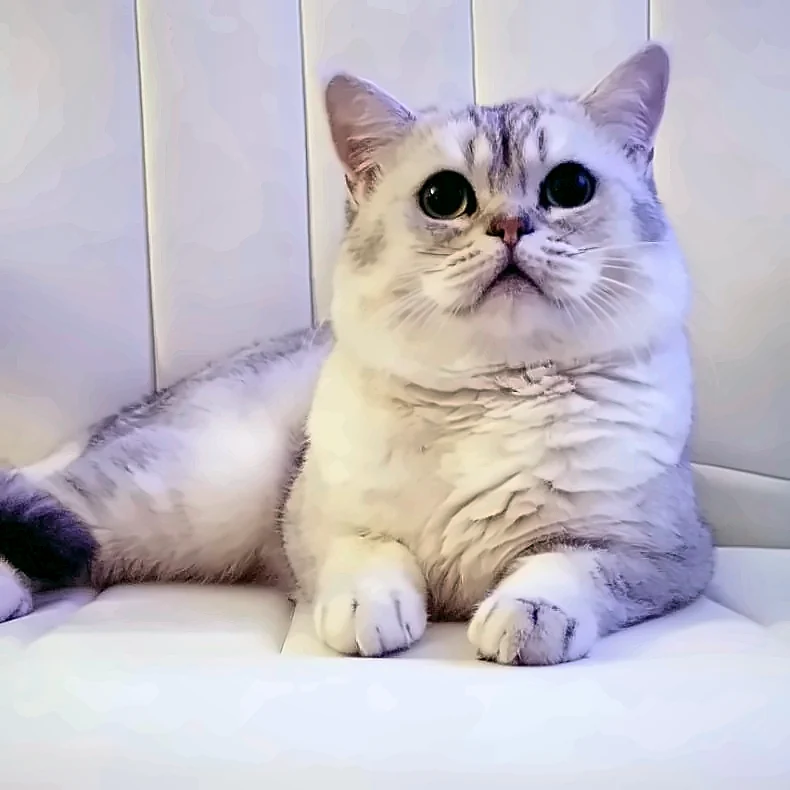
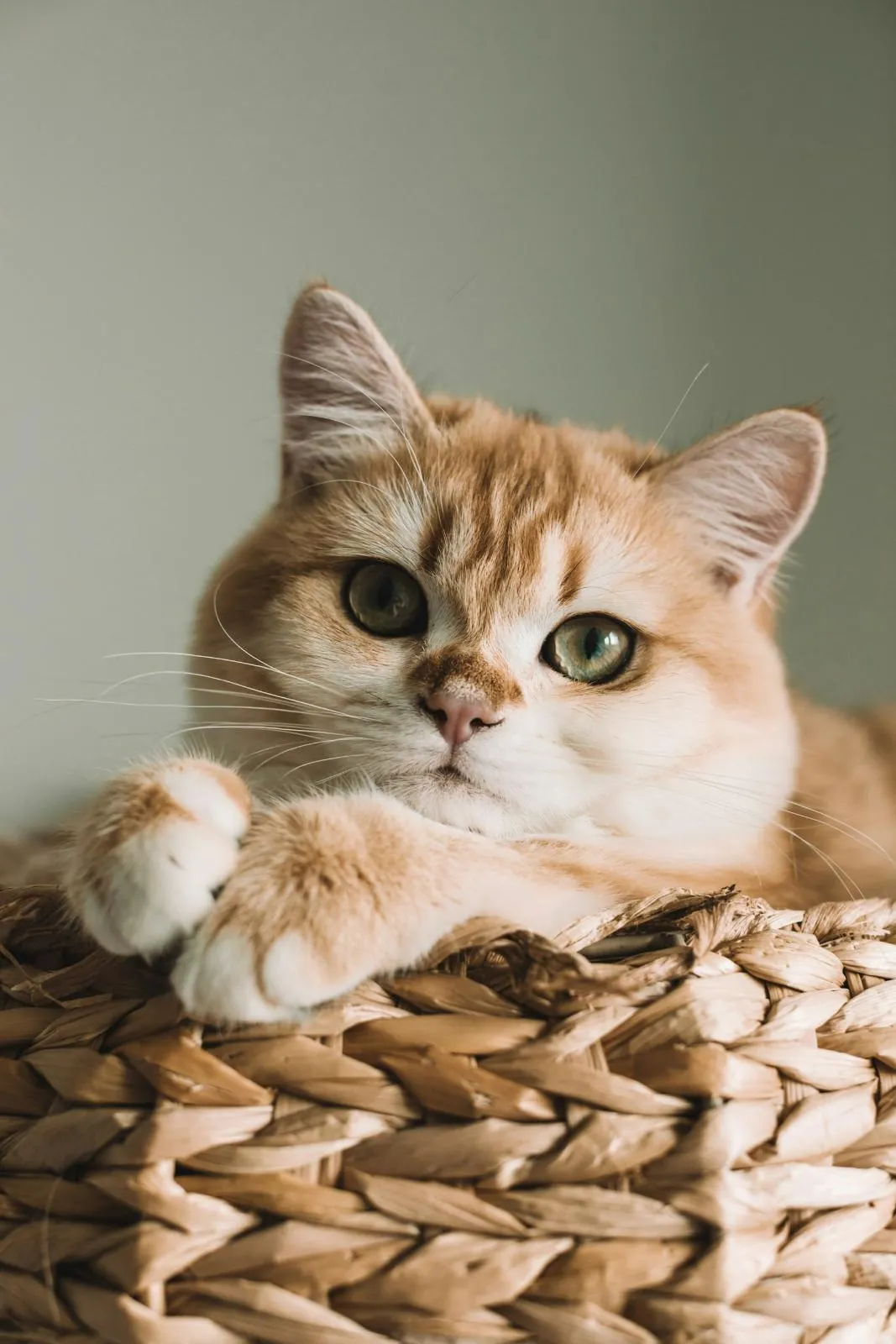
Both breeds are loving family cats, but they feel different. Munchkins are lively and quick; British Shorthairs are calmer, sturdier and more relaxed. If you like a cat that plays and follows you around, a Munchkin is a delight. If you prefer a quiet, plush companion, read about British Shorthair temperament. Many of our families ask us to compare, and either one can be a wonderful choice.
Choosing a Munchkin kitten
Look for a kitten that is lively, curious, clean, well socialized and growing steadily, from a home where you can see the kitten and its mother on live video and ask about their care. A good breeder will talk openly about the breed's controversy rather than hide it, will register kittens with a recognized registry such as TICA, and will give you an official Florida health certificate (Certificate of Veterinary Inspection) from a licensed veterinarian. Our guide on how to choose a kitten has a checklist that applies to Munchkins too.
You can see one of our Munchkin queens, Queen Margo, and see our current litters on the Munchkin kittens page. Available kittens are listed on our kittens page, and you can contact us with any question.
Frequently asked questions
Are Munchkin cats healthy?
Many live ordinary, happy lives, but the breed is debated and research is limited. Possible concerns include joint and spine problems. Keep your cat lean, schedule regular veterinary checkups and report any change in movement to your vet.
Do Munchkin cats have back problems?
Some veterinarians worry about spinal conditions such as lordosis in short-legged cats, while breed groups say they are not more common than in other cats. Because evidence is limited, ask your veterinarian to examine your cat's back and mobility at routine visits.
How big do Munchkin cats get?
Most adults weigh roughly 5 to 9 pounds, depending on sex and family line. Their bodies are standard in proportion; only the legs are short.
Can Munchkins live with dogs and children?
Usually yes. They are sociable and playful. Teach children to pet gently and never to pick the cat up by the legs, and introduce new pets slowly.