October 13, 2026 · PrettyBrity Journal
British Shorthair Temperament: Myths vs. Facts
Are British Shorthairs lap cats? Are they quiet, lazy or aloof? Myths and facts about British Shorthair temperament, with kids, pets and daily life.
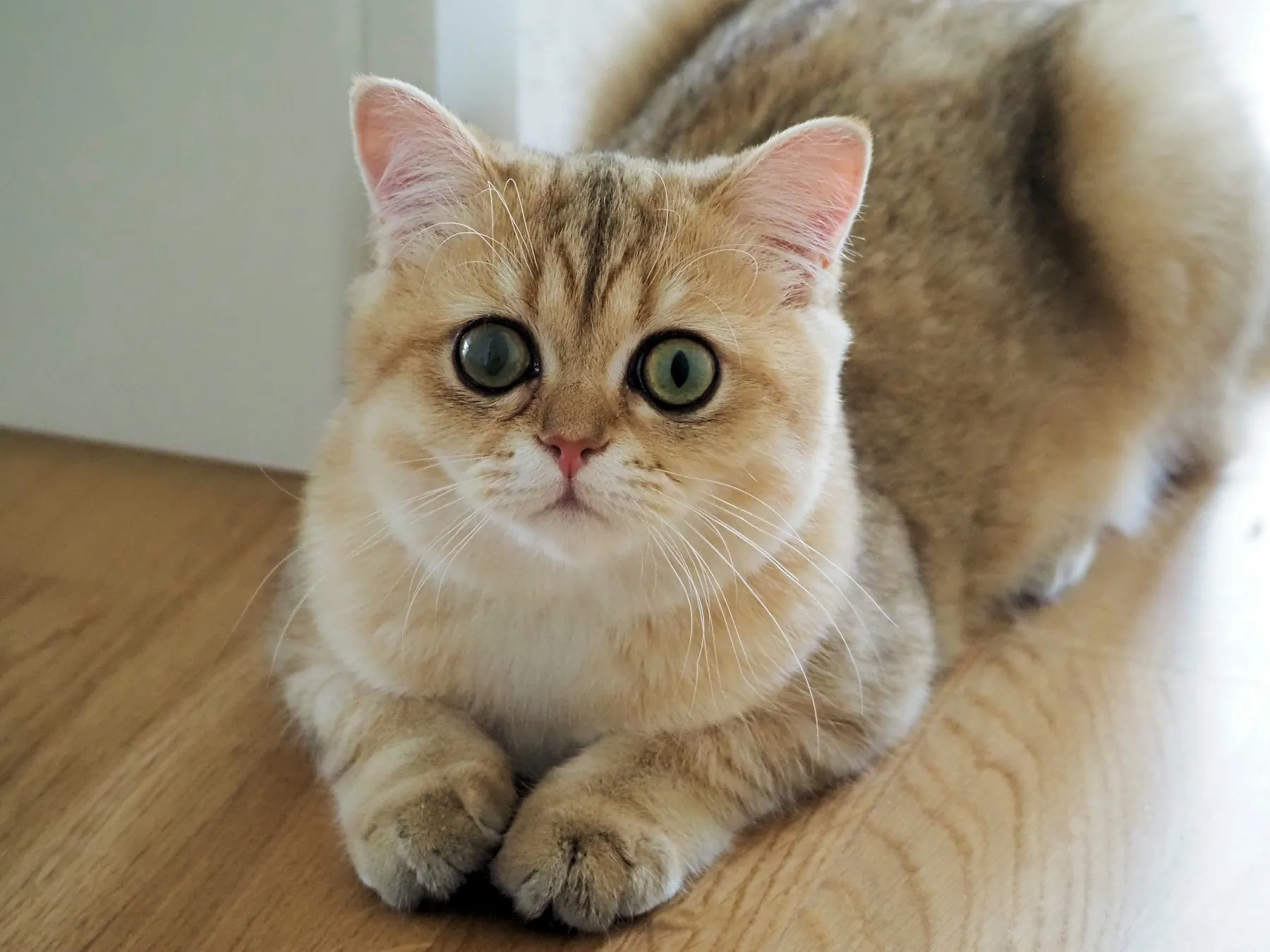
The British Shorthair temperament is calm, gentle and affectionate, with a streak of independence. These cats like being near their people, but most would rather sit beside you than on your lap, and they are rarely loud or demanding. That is the short answer. The longer one is that a few popular beliefs about the breed are only half true, and knowing which ones will help you decide whether this is the right cat for your home.
Below we separate the myths from the facts, based on what breed organizations say and on what we see every day with our own cats and kittens. For the background on where the breed comes from, see our British Shorthair breed history article.
Myth 1: “British Shorthairs are lap cats”
The facts: Most British Shorthairs are companion cats, not lap cats. The breed is known for being devoted to its family, yet many individuals dislike being picked up and carried. The Cat Fanciers' Association describes the breed as relaxed and easygoing once mature, and notes that these cats usually do not enjoy being held (CFA breed profile).
What you will see instead:
- A cat that follows you from room to room and settles on the sofa next to you.
- Sitting on the arm of a chair, on the bed at your feet, or within sight of you while you work.
- Brief, on-their-own-terms cuddles, often when the cat decides it is time.
Some individuals do love laps. It depends on the cat and on how gently it was handled as a kitten. Kittens that grow up in a home, are held and talked to every day, tend to be more relaxed about touch. If a cuddly cat matters to you, tell us when you reserve, and we can describe each kitten's personality from daily life with the litter.
Myth 2: “They are aloof and don't need attention”
The facts: “Independent” does not mean “indifferent.” A British Shorthair will usually cope with a workday alone better than a very clingy breed would, but it is still a social animal that bonds closely with its family. Many greet people at the door, supervise cooking and quietly claim a favorite spot in the room where everyone gathers.
Independence shows up as:
- Entertaining themselves with a toy or a window view.
- Not demanding constant interaction.
- Choosing when to engage, rather than pushing for attention.
Plan on real time with your cat every day. Even a calm cat needs company, play and a routine. If the home will be empty for long stretches every day, think about a second cat, which many British Shorthairs accept happily.
Myth 3: “They are lazy”
The facts: Adults are certainly less hectic than breeds such as Bengals or Abyssinians, and they spend a lot of time resting. Kittens, however, are not couch potatoes. A British Shorthair kitten is playful, curious and a bit clumsy, and the playful phase can last well into the second or third year, because the breed matures slowly.
A low activity level is also a health matter. Heavy, sturdy cats gain weight easily when they live indoors, so daily play and measured meals matter. A few short sessions a day with a wand toy or a ball are usually enough, and they help prevent boredom and extra pounds. Your veterinarian can tell you what a healthy weight looks like for your cat.
Myth 4: “They are silent”
The facts: The breed is on the quiet side. Most British Shorthairs have a soft voice and use small chirps, trills or a short meow rather than long conversations. But “quiet” is not “mute.” Expect a polite comment at feeding time, a greeting when you come home, and the occasional complaint if dinner is late.
Myth 5: “Every British Shorthair has the same personality”
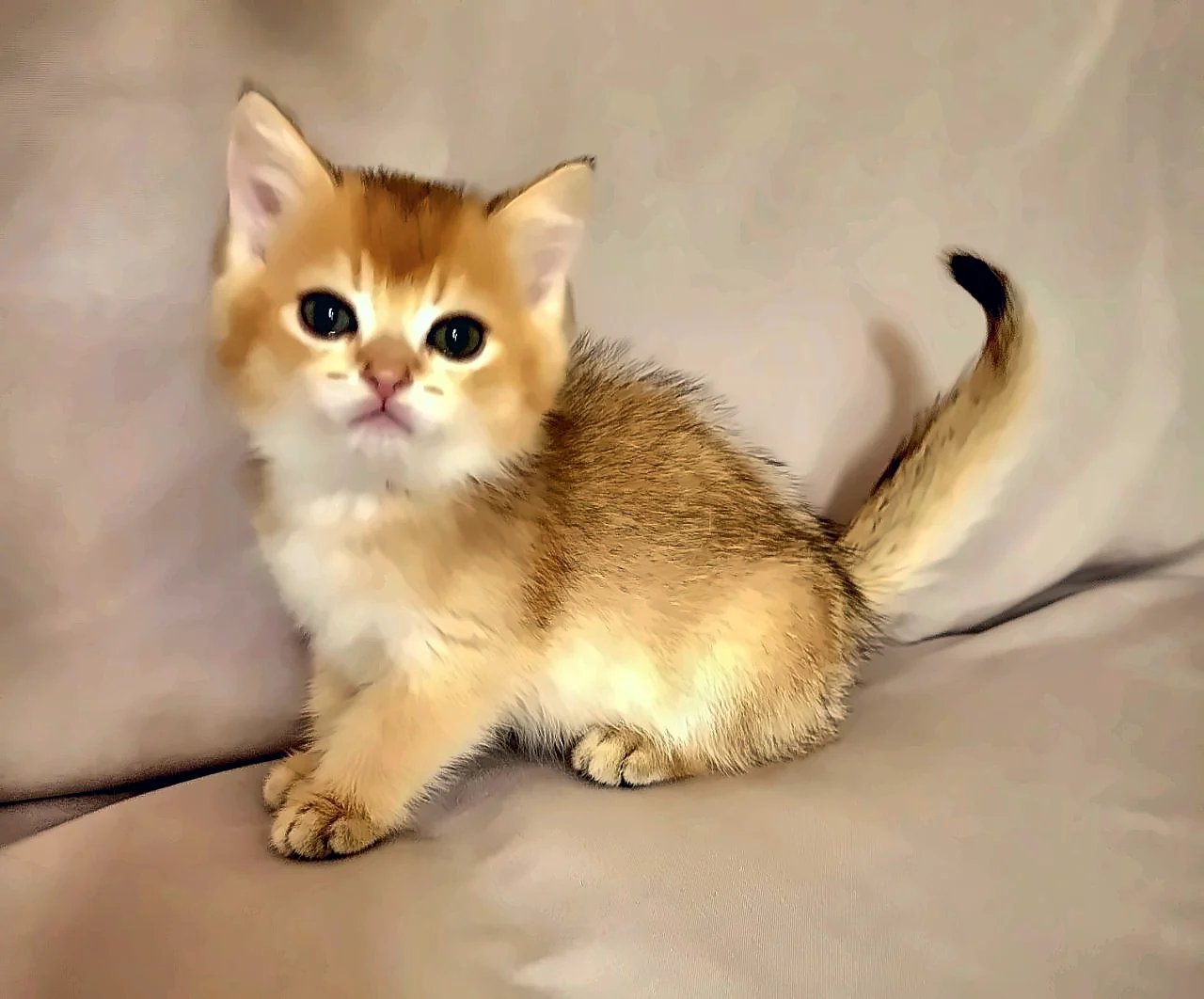
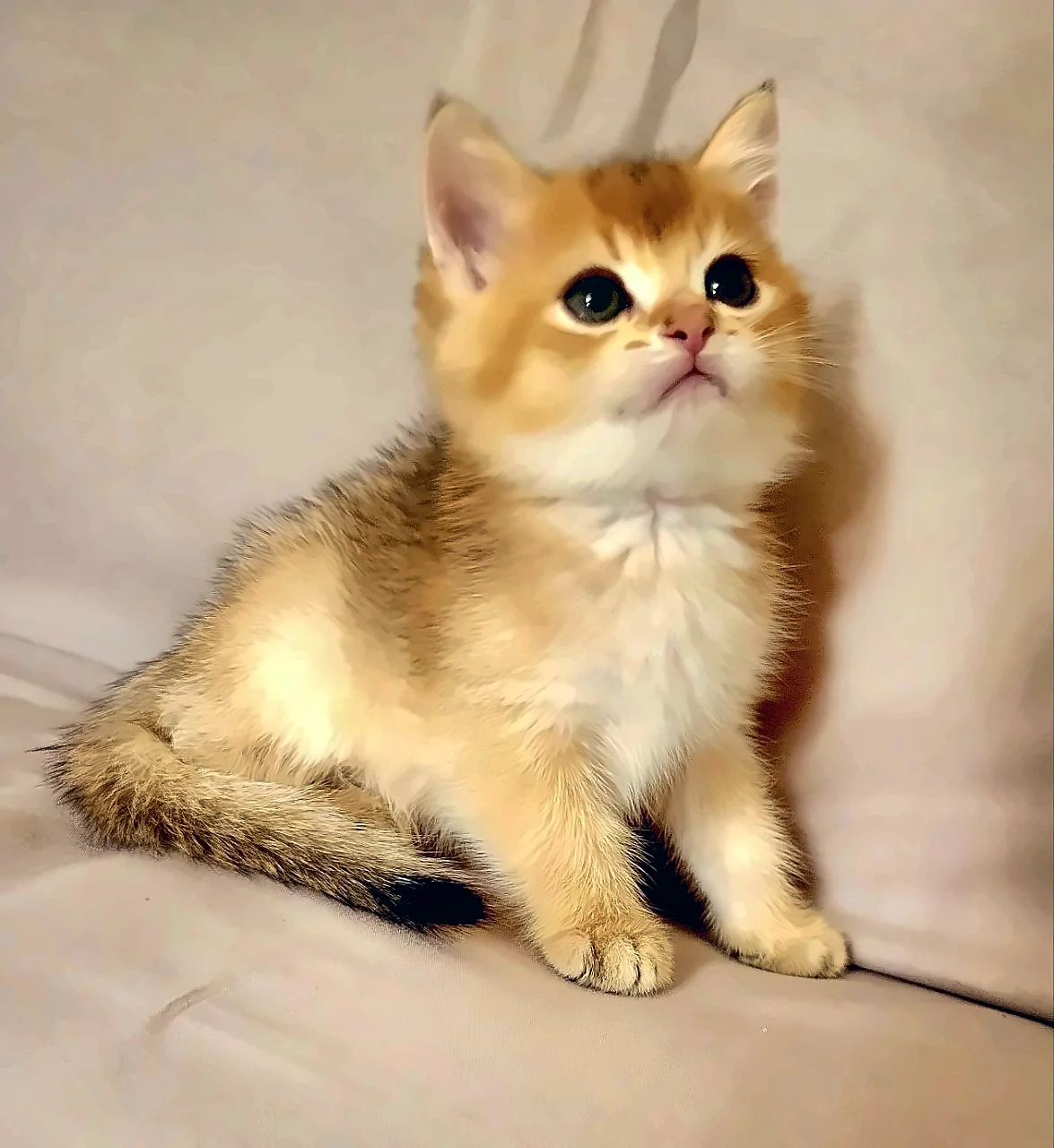
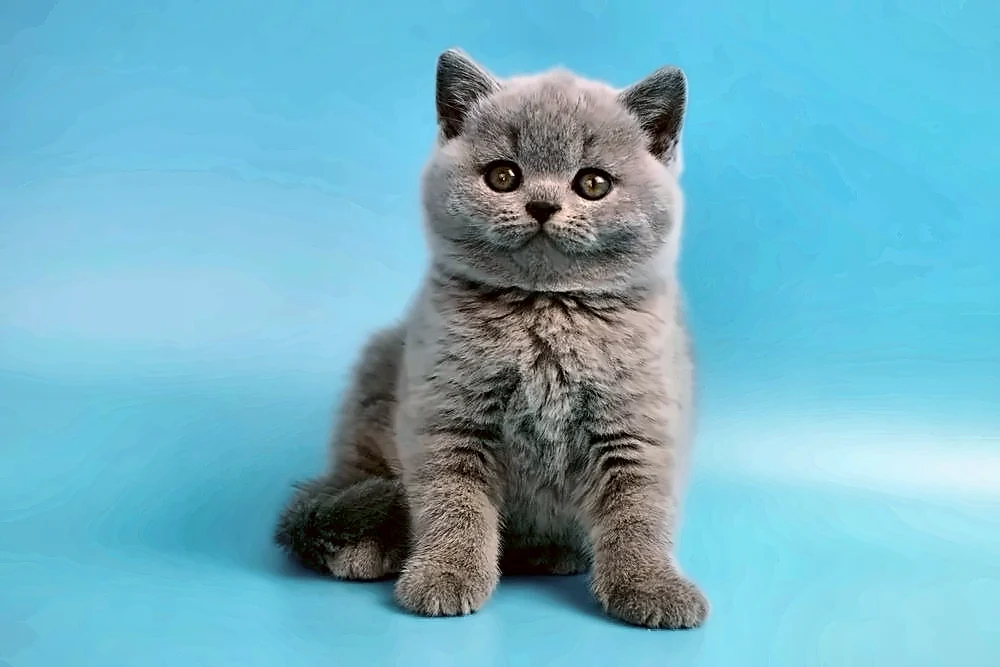
The facts: Breed traits describe a tendency, not a promise. Within one litter you can find a bold explorer, a gentle observer and a kitten that wants to be carried everywhere. Genetics, early handling and the environment in which a kitten is raised all play a part. Color does not determine character: a golden, a silver and a blue can each be the cuddler or the independent one. For more on the differences people notice between colors, see golden vs. silver British Shorthair.
British Shorthairs with children
Because the breed is steady and patient, it often does well in families, but the cat's comfort matters as much as the child's. Many cats of this breed will walk away rather than scratch, which is polite, yet it should never be tested.
International Cat Care recommends supervising early meetings, teaching children to read a cat's body language and giving the cat a place to retreat that children cannot enter (International Cat Care). In practice:
- Let the kitten settle in quietly for a few days before big introductions.
- Show children how to pet gently and let the cat come to them.
- Never let anyone pick the cat up unless the cat tolerates it and the child can fully support it.
- Leave the cat alone while it eats, uses the litter box or sleeps.
- Offer wand toys so children can play without using their hands.
Very young children, who cannot yet follow these rules, need an adult beside them every time.
British Shorthairs with other pets
The breed's calm nature helps with other animals, but introductions still need patience.
- Other cats: Usually fine. Introduce slowly, with separate rooms first and swapping scents before meeting face to face.
- Dogs: Many cats live happily with a gentle, well-trained dog. Never leave a cat alone with a dog that chases or has a high prey drive.
- Small animals: Cats are predators by nature, so birds, rodents and reptiles should live in secure, separate spaces.
Is the temperament right for your home?
A British Shorthair is probably a good match if you:
- Want a calm, undemanding companion that is happy at your side.
- Prefer a quiet cat that fits apartment or condo life.
- Can give daily play and attention.
- Understand that the cat may not want to be carried.
It may not be the best fit if you want a cat that is always in your arms or that will play fetch all evening.
How we help match kittens to families
Our kittens grow up in our home, handled and socialized daily, so they are used to household sounds and gentle hands. We can tell you what each kitten is like on the live video calls where we show them. Browse the available kittens, read our guide to choosing a British Shorthair kitten, or contact us with questions about personality.
Frequently asked questions
Are British Shorthairs cuddly?
They are affectionate, but usually in a quiet way: sitting next to you, following you around, and accepting a few strokes. Most do not like being held for long. Individual cats differ.
Are British Shorthairs good for first-time cat owners?
Often yes. They are calm, adaptable and generally easy to live with. Like any cat, they need daily play, a good diet, litter box care and regular veterinary visits, so ask your own veterinarian what is right for your kitten.
Do British Shorthairs get separation anxiety?
They tend to handle time alone better than some breeds, but every cat is different. Toys, a window perch and a steady routine help. Talk to a veterinarian if your cat seems distressed when you leave.
Are British Shorthairs good with dogs and children?
Many are, when introductions are gradual and supervised. Give the cat a safe place to retreat and teach children to be gentle.