November 3, 2026 · PrettyBrity Journal
British Shorthair Size and Growth: Month-by-Month Guide
How big do British Shorthairs get? Typical weight for males and females, a growth table by age, when they stop growing, and how to spot a healthy weight.
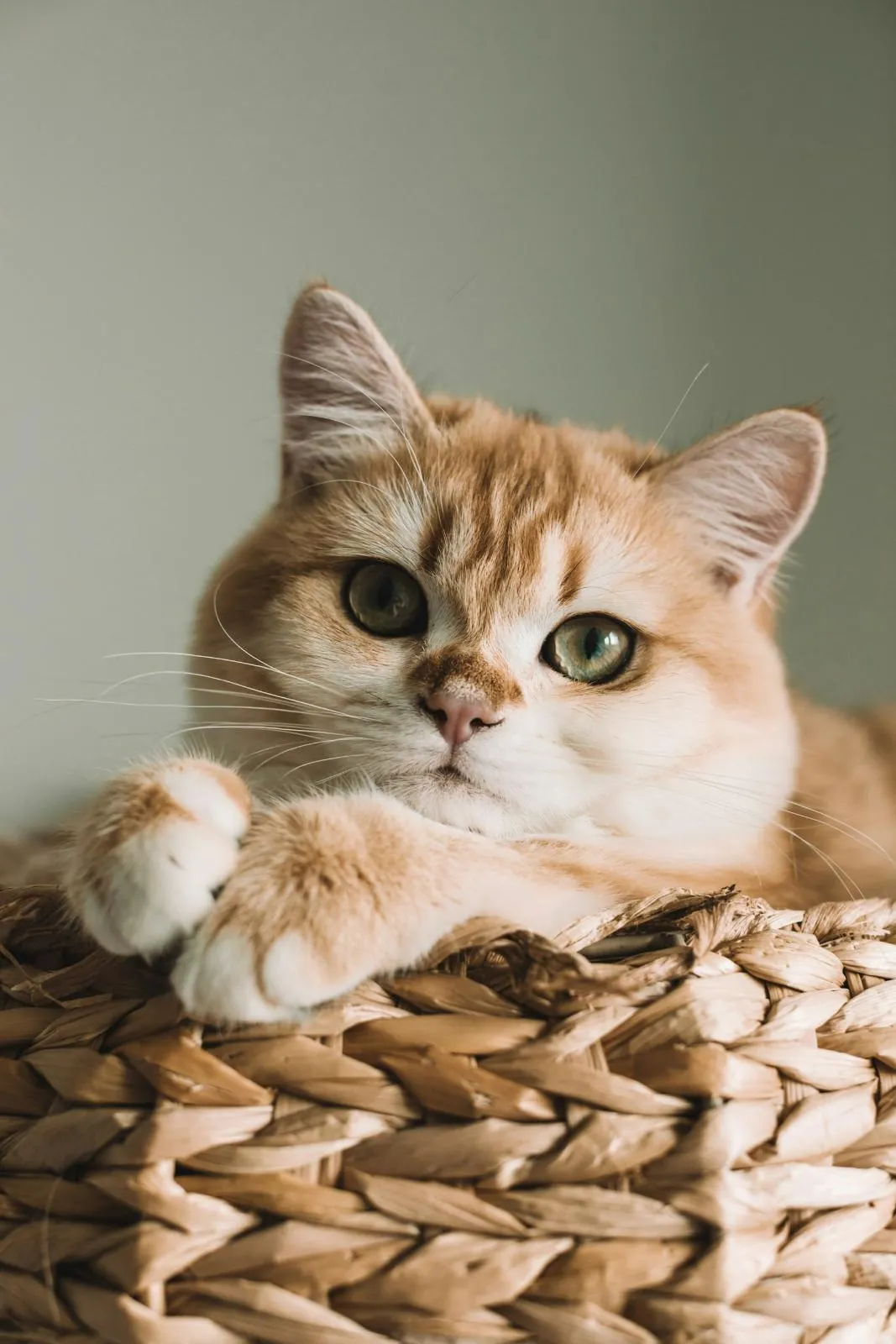
A British Shorthair is a medium-to-large, sturdy cat. Adult males usually weigh somewhere around 10 to 17 pounds and females are noticeably smaller, often 7 to 12 pounds. The breed matures slowly: the Cat Fanciers' Association says it does not reach full size until about three years of age (CFA breed profile). So a one-year-old is still a teenager, not a finished cat.
Below is a realistic picture of how a British Shorthair grows, from the day a kitten goes home to its third birthday and beyond, plus how to tell a sturdy cat from an overweight one. Published weight ranges differ from source to source, so treat every number here as a ballpark and let your veterinarian judge your individual cat.
How big does a British Shorthair get?
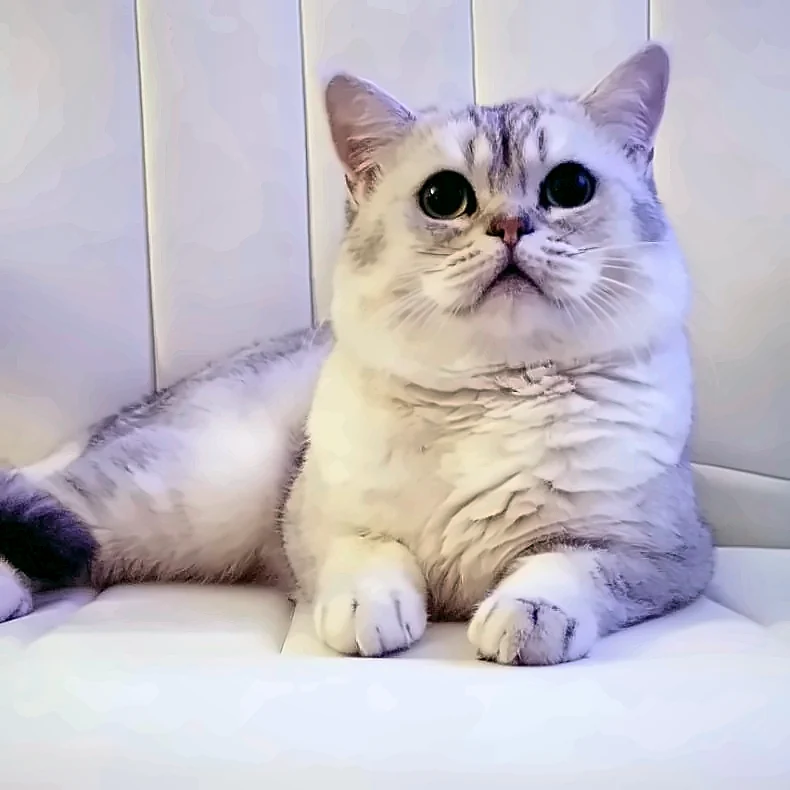
The standard describes a cat that is compact, powerful and well balanced, with a broad chest, a thick body and strong, short legs. It is not a tall or long cat like an Oriental breed; it is dense. That density is why a British Shorthair often feels heavier than it looks when you pick it up.
| Typical adult weight (ballpark) | Notes | |
|---|---|---|
| Female | 7–12 lb (about 3–5.5 kg) | Smaller frame, rounder, softer face |
| Male | 10–17 lb (about 4.5–7.5 kg) | Bigger frame, broader head, fuller jowls |
Some healthy males go a little beyond this range and some petite females fall a little below it. What matters more than the number is frame and condition: a good-sized cat whose ribs you can still feel under a light layer of padding.
Growth by age: what to expect
Growth is fastest in the first months and then slows down. The table gives a rough guide only. Individual kittens vary with genetics, litter size, sex and appetite.
| Age | What you will see | Rough weight |
|---|---|---|
| 8 weeks | Small, playful, round-faced; the earliest age kittens can go home | about 1.5–2.5 lb |
| 12 weeks | Longer legs, better coordination, bigger appetite | about 3–4.5 lb |
| 4–5 months | Rapid "lanky" growth; adult teeth arrive | about 5–7 lb |
| 6 months | Clearly a young cat; males start to outpace females | about 6–9 lb |
| 12 months | Close to adult height, still narrow in the chest | about 8–12 lb |
| 2 years | Body and cheeks keep filling out | near adult range |
| 3 years and beyond | Full width, muscle and, in males, full jowls | adult weight |
The first year
Between 8 weeks and 6 months a kitten can look like it grows overnight. Two things are normal at this stage: a leggy, slightly awkward phase around four to six months, and a big appetite. Feed a good-quality kitten food according to the label and your vet's advice, and weigh your kitten every week or two on a kitchen scale. A steady upward line matters more than any single number. If your kitten stops gaining or loses weight, call your veterinarian.
British breed clubs also recommend keeping kittens on kitten food for a long time, because bones are still developing. The British GCCF suggests kitten food for at least the first year (GCCF British breed page). Your vet can tell you when to switch for your particular cat. Our new kitten checklist covers the other first-week basics.
Years two and three
This is the stage that surprises new owners. Height is mostly settled by the end of the first year, but the cat keeps getting broader: the chest widens, the neck thickens, the cheeks fill out. Males in particular may look like a different cat at three years old compared with how they looked at one. The breed standard itself allows three to five years for full development.
Male vs. female size
Males are bigger in almost every measure: weight, frame, head width and jowls. Females stay more petite and often look slightly more refined. The gap usually becomes obvious at around five to six months and keeps widening for a couple of years.
Neither is "better." Choose based on the personality you meet and the size you want in your home. If you are comparing kittens, our guide on how to choose a British Shorthair kitten walks through what to look at beyond sex and color.
Do color and coat length change the size?
Not in any meaningful way. Golden, silver, blue and the other colors all follow the same standard and the same growth curve. What changes is the look: a longer or thicker coat can make a cat appear bigger than it is. If you are deciding between coat lengths, see British Longhair vs. Shorthair.
Is my cat the right weight?
A breed can be big and still be too heavy. Cornell's Feline Health Center describes feline obesity as weight about 20 percent or more above normal and calls it the most common nutritional problem in domestic cats (Cornell Feline Health Center). British Shorthairs are stocky and love comfort, so extra weight is easy to miss.
A simple home check:
- Ribs: you should feel them with light pressure, under a thin layer of padding.
- Waist: looking down from above, there should be a gentle tuck behind the ribs.
- Belly: a small amount of loose skin is normal; a hanging, swinging belly is not.
- Activity: a healthy cat still jumps, plays and grooms itself easily.
Do not put a cat on a diet by yourself. Ask your veterinarian to score your cat's body condition and set a plan. Measured meals, interactive play and a good cat tree go a long way.
Can you predict adult size from a kitten?
Only loosely. The parents' size is the best hint, since size is inherited, and our parent cats are shown with photos so you can see the family. Beyond that, sex is the main predictor. Paw size and a "big-boned" look at 12 weeks are fun to watch but not reliable.
Frequently asked questions
When does a British Shorthair stop growing?
Height and length are mostly done by the first birthday, but the cat keeps filling out until about three years old, and sometimes up to five. This slow pace is typical of the breed.
How much does a full-grown British Shorthair weigh?
Females are usually around 7–12 pounds and males around 10–17 pounds. Sources disagree somewhat, so ask your veterinarian what is ideal for your own cat's frame.
Are British Shorthairs a large breed?
They are medium to large. They are not the longest cats, but they feel among the sturdiest for their size because of their dense bones and muscle.
Is a small British Shorthair unhealthy?
Not necessarily. Some cats are simply petite. What matters is steady growth, good energy and a normal exam. If a kitten is not gaining or seems weak, see a veterinarian.
Thinking about a British Shorthair?
If you are ready to follow a kitten through its slow, charming growth, take a look at our available kittens or contact us. We show kittens on live video and can tell you about each one's parents and personality.