October 10, 2026 · PrettyBrity Journal
How to Choose a British Shorthair Kitten: Breeder Questions
How to choose a healthy British Shorthair kitten: what to ask a breeder, what to look for on video, which papers to expect and the red flags to avoid.
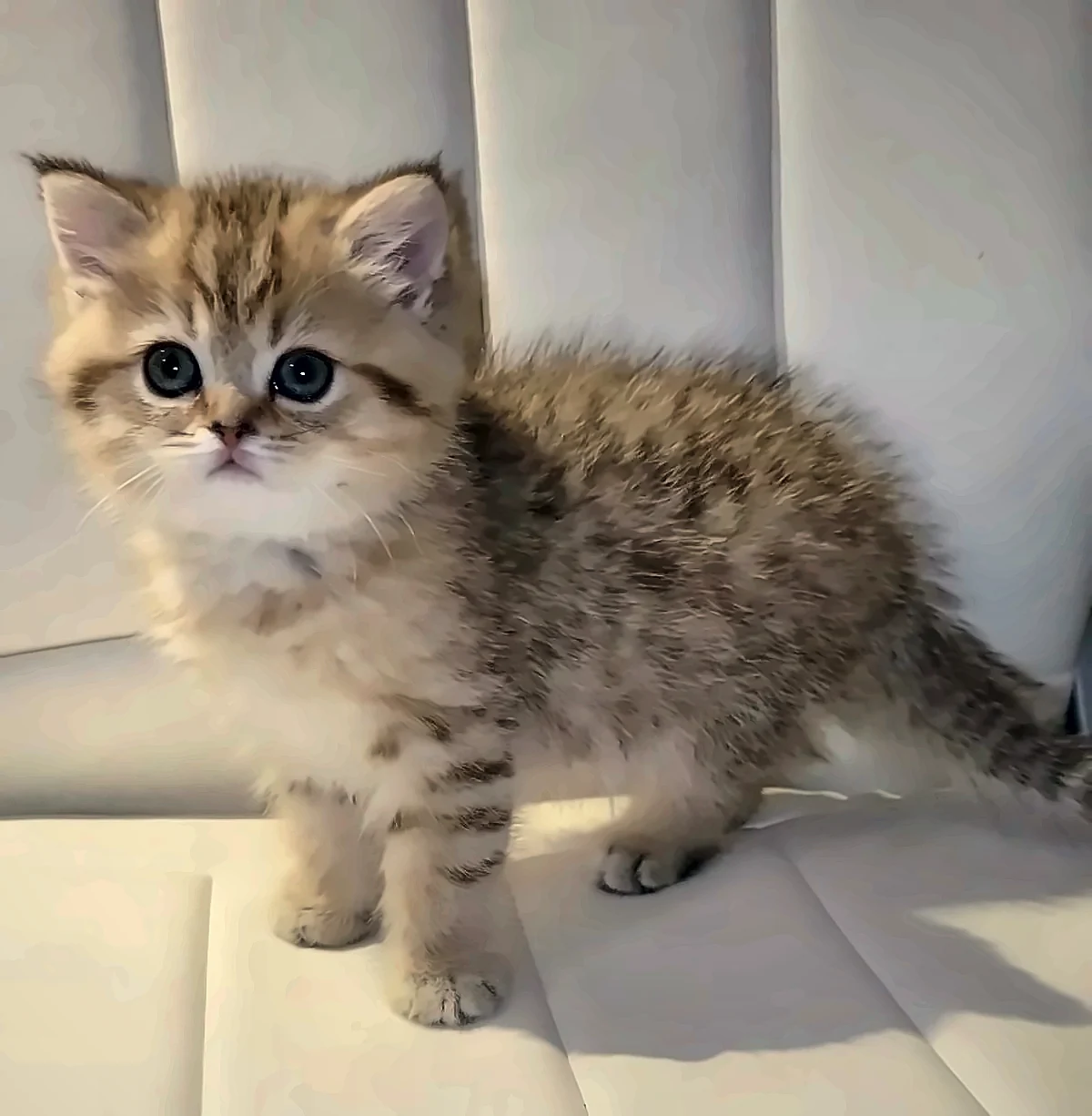
To choose a healthy British Shorthair kitten, start with the breeder rather than the kitten: look for a TICA-registered cattery that raises kittens at home, shows you the parents, introduces the kitten on live video, and hands over real paperwork, including an official health certificate from a licensed veterinarian. Then look at the kitten itself — alert, playful, clean eyes and ears, a round tummy, and a solid, sturdy body.
This guide gives you a practical checklist: what to ask a breeder, what a healthy kitten looks like on camera, which documents to expect, and the warning signs that should make you walk away.
Start with the questions to ask a breeder
A good breeder is happy to answer every one of these, and the answers should be specific rather than vague.
- Are you registered with TICA, and will the kitten come with registration papers? TICA (The International Cat Association) keeps the pedigree records for the breed. Ask for the parents' names so you can see them in the pedigree.
- Can I see the mother and father? Healthy, friendly parents say a lot about the kitten's future size, coat and temperament. On our site every parent cat has its own page.
- Where are the kittens raised? Kittens raised in a home, around people, TV noise and daily life, are usually calmer and easier to settle in. Cages and "kitten rooms" are a poor sign.
- How old will the kitten be when it goes home? Look for 8 weeks at the very minimum; most kittens are better prepared at 8–14 weeks. Time with mother and littermates teaches bite control, litter habits and social manners.
- Which vaccines and deworming has the kitten had, and when? You should get dates in writing.
- How are the parents cared for? Ask when they last saw a veterinarian and how they live day to day.
- How will I meet the kitten? A serious cattery can show you the kitten on a live video call, not only polished photos.
What a healthy British Shorthair kitten looks like
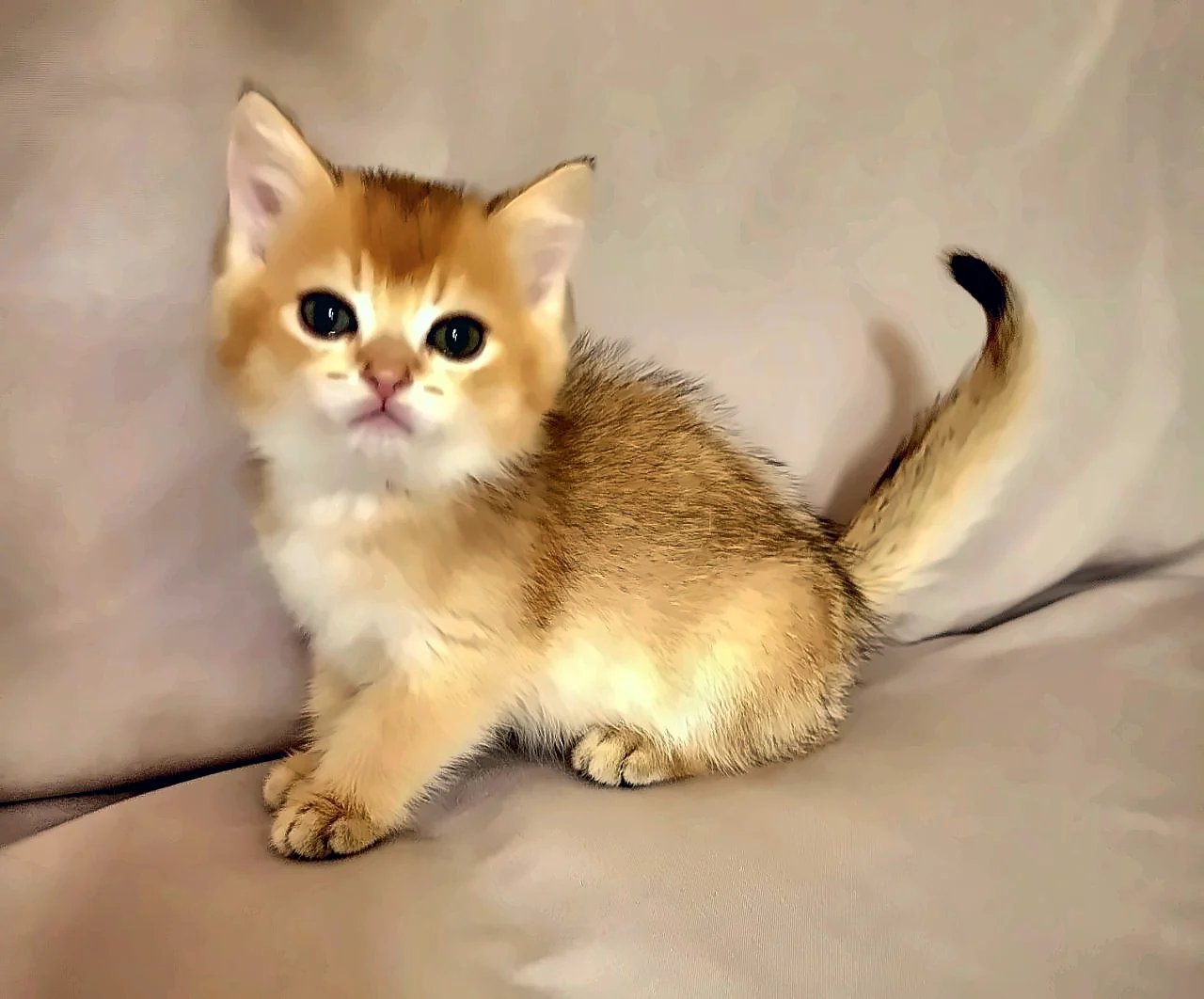
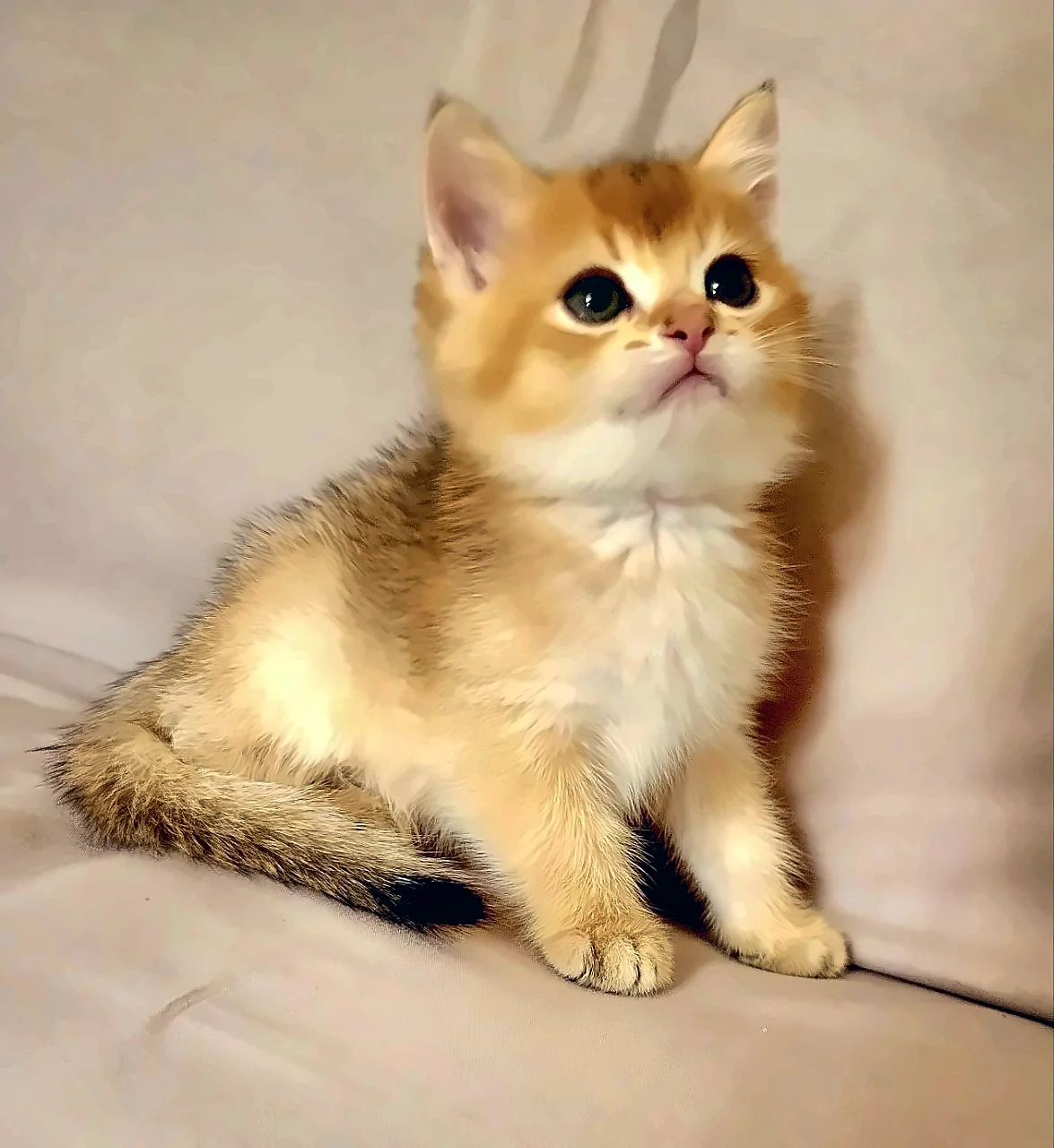
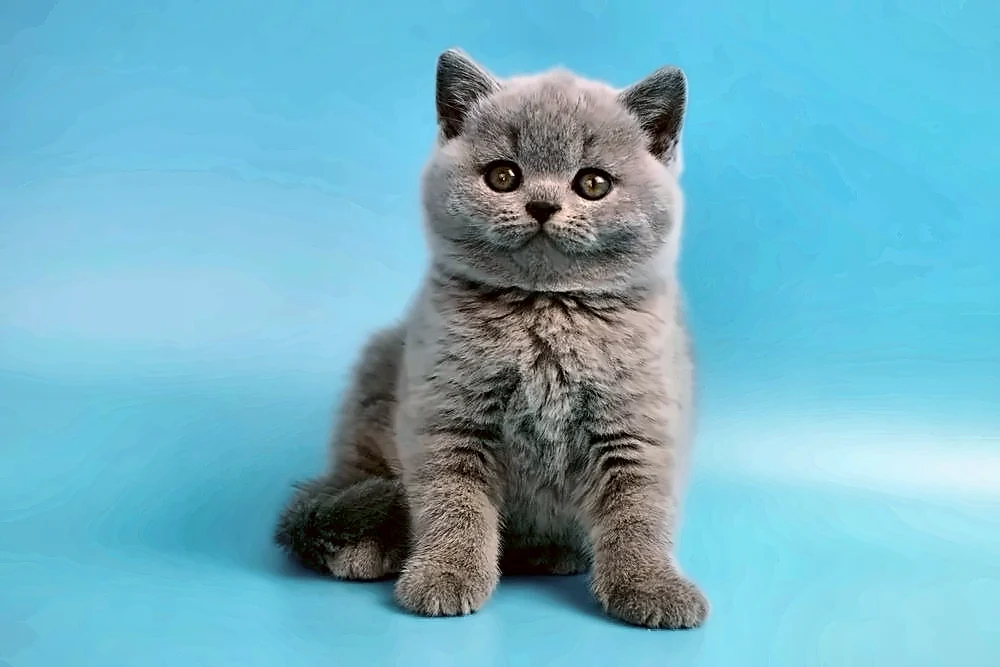
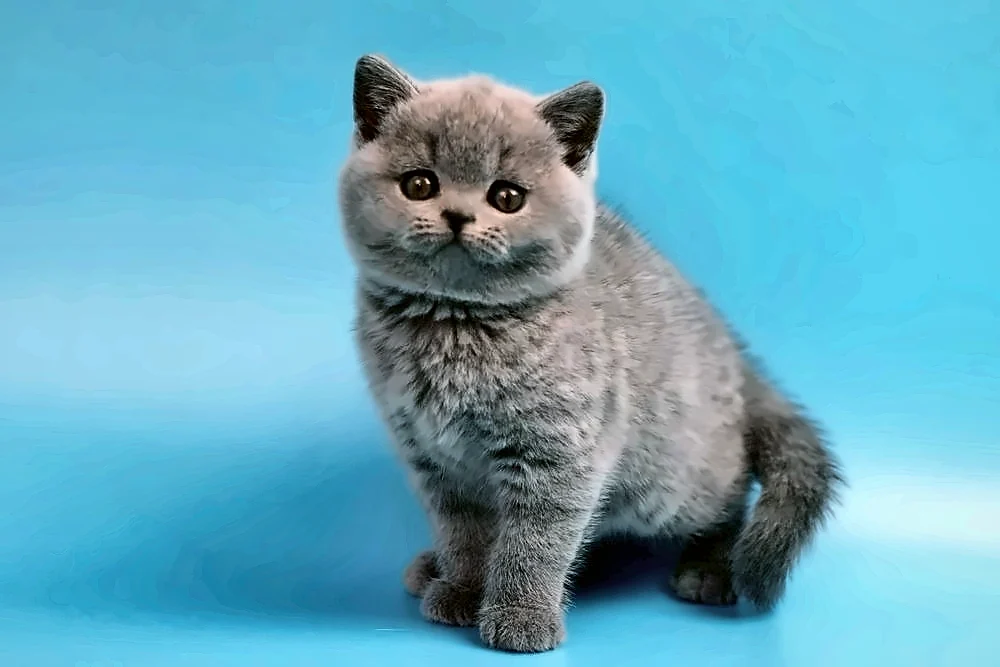
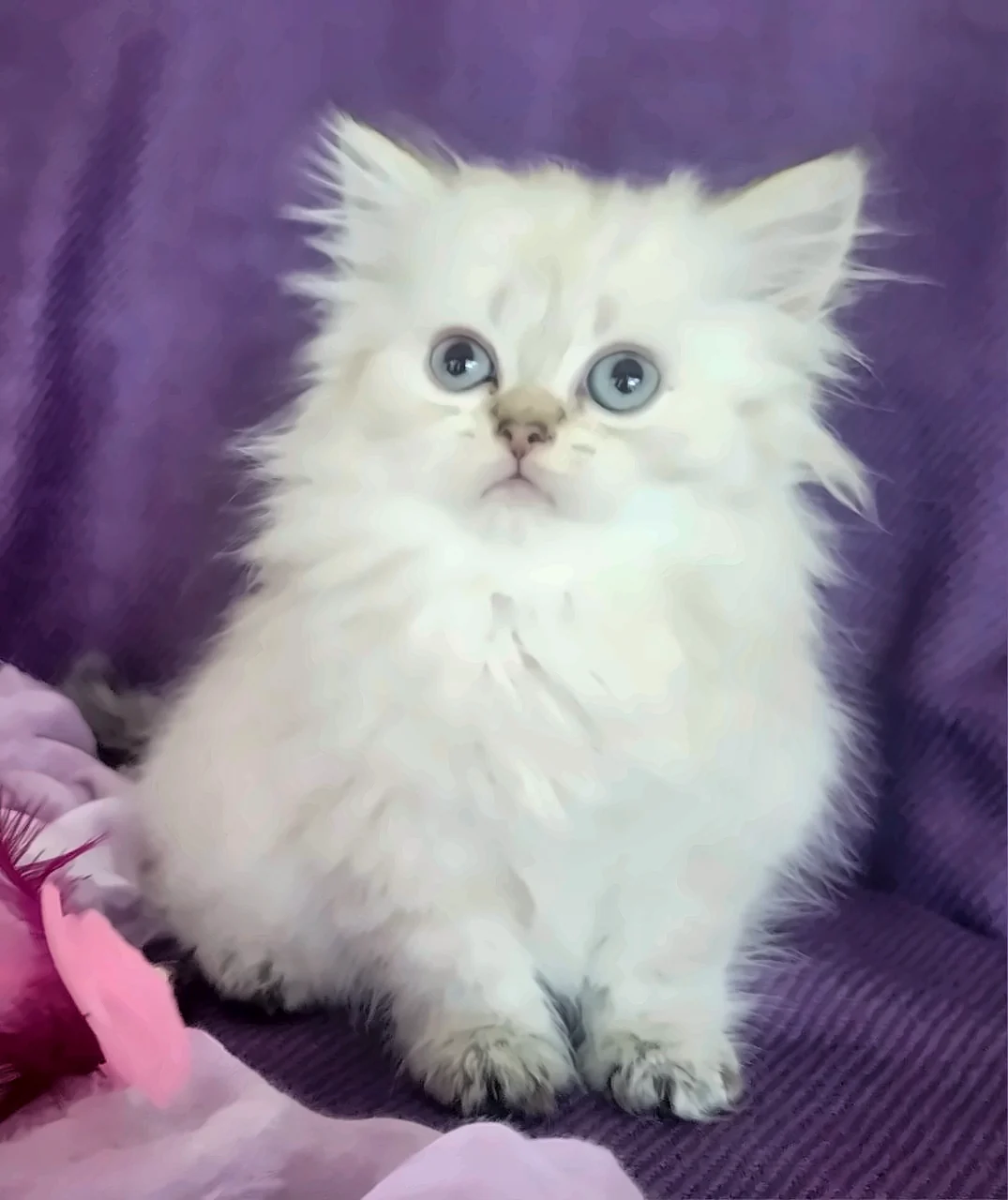
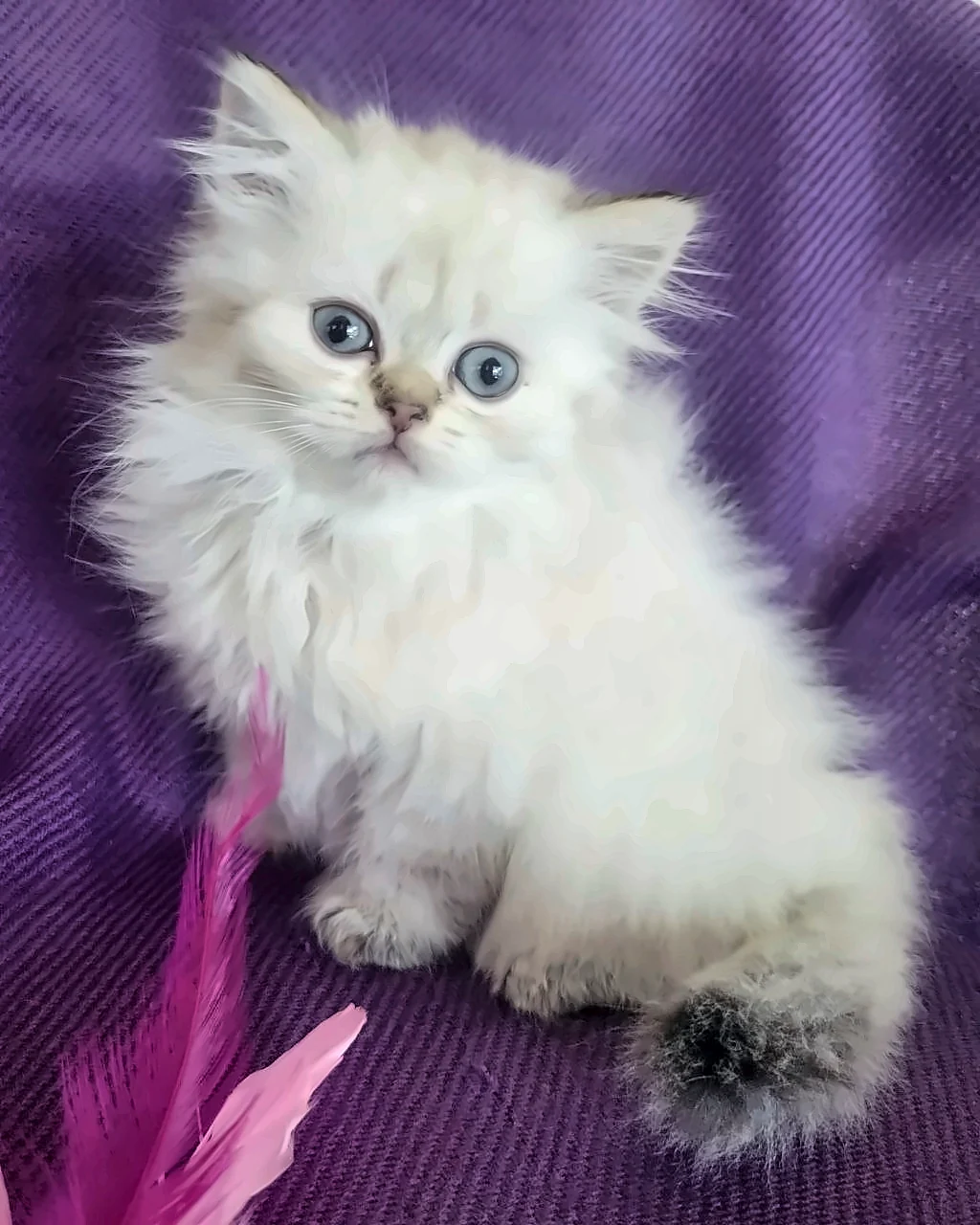
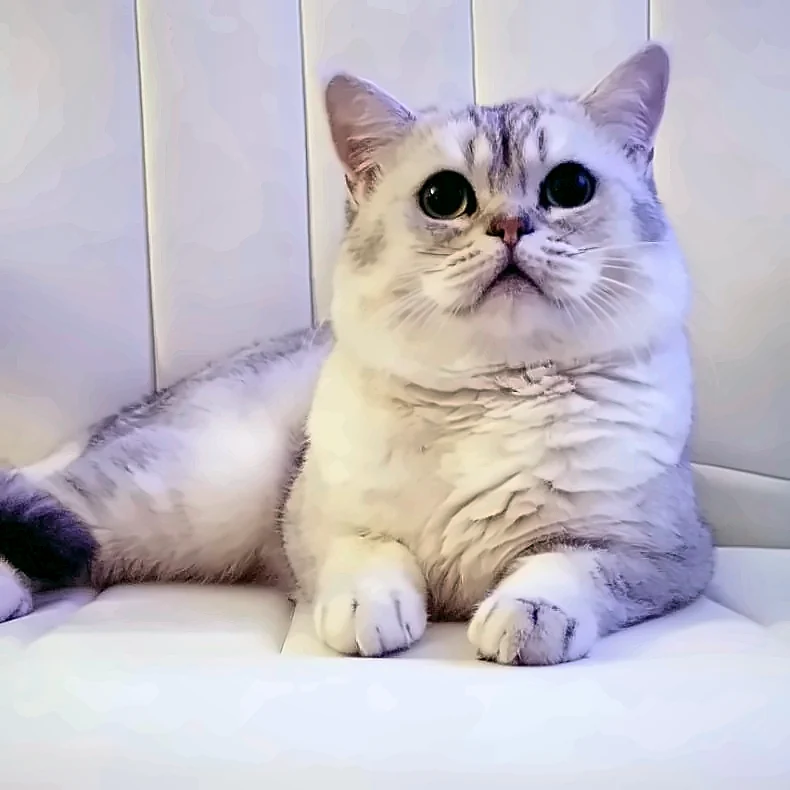
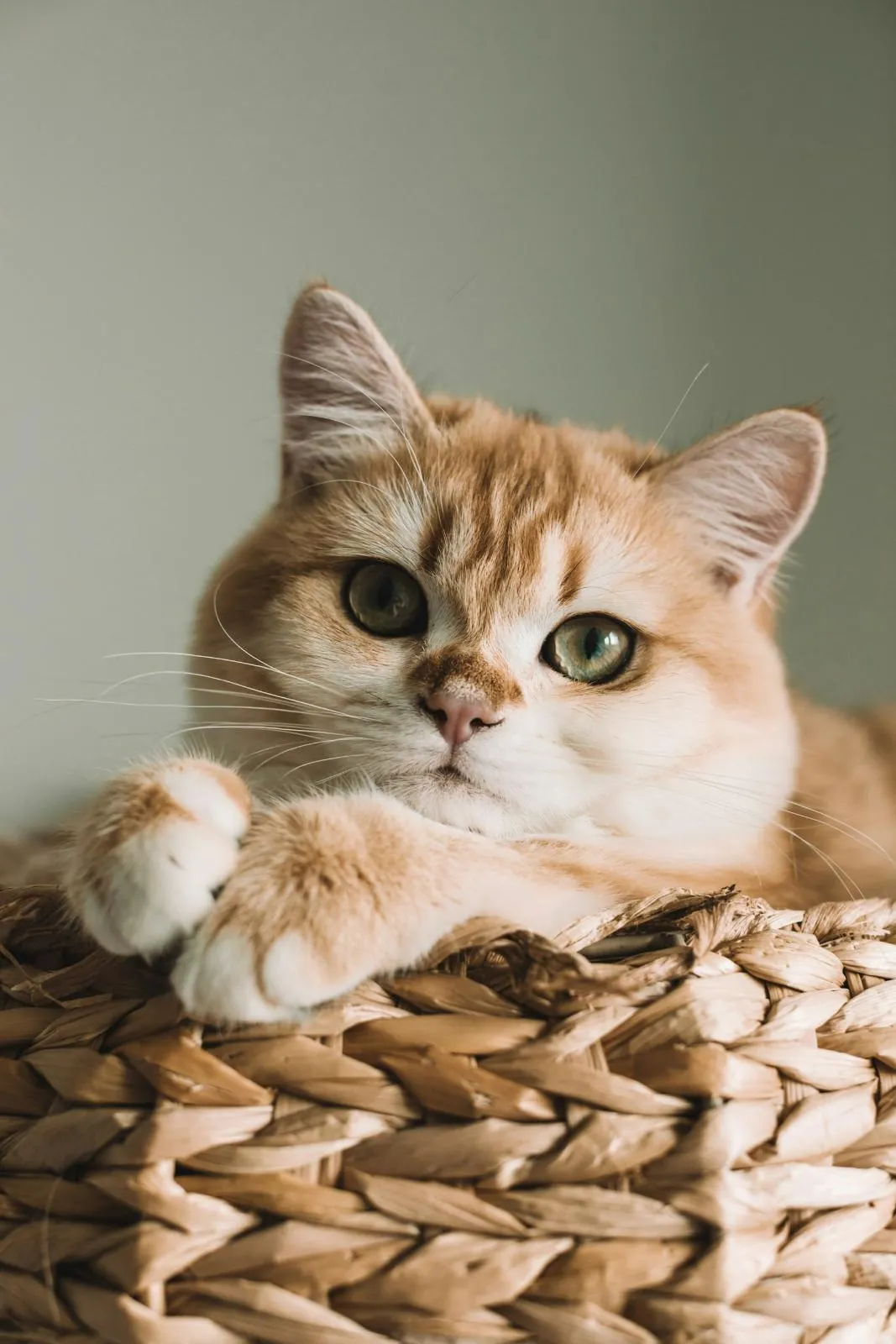
British Shorthairs are compact, rounded and sturdy, with a broad head, full cheeks and a dense plush coat. Beyond the look of the breed, general kitten health signs are the same for every cat.
Behavior and energy
A healthy kitten is curious, plays in bursts and then naps deeply. It should react to sound and movement, follow a toy, and be comfortable being picked up. Persistent hiding, limpness or no interest in anything is a reason to ask questions.
Eyes, nose and ears
- Eyes should be open, bright and free of heavy discharge, redness or crusting.
- Nose should be free of thick mucus, and breathing should be quiet. Frequent sneezing, coughing or wheezing can point to a respiratory infection.
- Ears should be clean and pale pink inside, without dark debris or a strong smell. Frequent head shaking or scratching can be a sign of ear mites or infection.
Light tearing happens in some young kittens and is not always a problem, but ask the breeder about it directly and mention it to your veterinarian.
Coat, skin and body
The coat should be soft and even, with no bald patches, scabs or visible fleas. The tummy should be round but not bloated, and the kitten should feel solid rather than bony. Legs should move freely, with no limping.
Litter box habits
Ask whether the kitten is already using a litter box reliably. Loose stools that continue for days need a veterinarian's attention and an honest conversation with the breeder.
Paperwork you should receive
Paperwork is where careful catteries stand out. Expect these items:
| Document | What it tells you |
|---|---|
| TICA registration | The kitten's pedigree and breed status |
| Vaccination and deworming record | What was given and on which dates |
| Veterinary records | Exams performed before the kitten leaves |
| Official Florida health certificate | A Certificate of Veterinary Inspection issued by a licensed veterinarian |
Florida law sets rules for cats offered for sale in the state. Under Florida Statute 828.29, a cat must be at least eight weeks old and be accompanied by an official health certificate that records its exam, vaccines and deworming. Ask to see the certificate or a clear explanation of when it will be issued.
A registration paper alone does not prove a kitten is healthy, and a health certificate is a snapshot of one day. That is why your own veterinarian check-up in the first days at home is still important.
Health questions worth asking
Ask how the kittens are fed, when they were last examined by a veterinarian, and what the vaccination and deworming schedule has been. A breeder who raises kittens at home should answer easily and show you the records.
Every breed has conditions it is more prone to, and no breeder can predict a cat's whole future. That is why the most useful health step is your own: a check-up with your veterinarian in the first days at home, with all the records the cattery gave you.
Red flags that should make you pause
- Photos only, and the breeder refuses a live video call or avoids showing the kitten moving.
- Pressure to send money immediately, or payment only through hard-to-trace methods.
- Kittens offered before 8 weeks of age.
- No registration papers, or "papers coming later" with no details.
- A price far below what other TICA-registered catteries ask.
- The same photos appearing in several ads, or parents that are never shown.
- Vague answers about vaccines, vet care and the parents' health.
Kitten scams are common online. Our guide on how to avoid kitten scams goes through the typical patterns and how to protect yourself. For context on what is normal, read our overview of British Shorthair kitten prices in Florida.
How we do it at PrettyBrity
We are a closed, home-based cattery, so we introduce every available kitten on live video, where you can see how it moves, plays and responds. Kittens go home from 8 weeks, typically 8–14 weeks, with TICA registration, veterinary records and an official Florida health certificate from a licensed veterinarian. Pickup happens at the veterinarian's office, or we can arrange delivery. You can read the details on our FAQ page and see how a reservation works before you decide.
Once you choose, our new kitten checklist helps you prepare your home before arrival day.
Frequently asked questions
What is the best age to bring a British Shorthair kitten home?
Not before 8 weeks, and many kittens do best between 8 and 14 weeks. By then they have had time with their mother and littermates, started vaccinations and eaten solid food confidently.
Should I choose the most outgoing kitten?
Not necessarily. Pick the kitten that is healthy and whose personality suits your home. A confident kitten suits a busy family; a gentler one may suit a quiet apartment. A good breeder will tell you honestly about each kitten's character.
Can I choose a kitten over video?
Yes, if the breeder shows the kitten live, lets you ask to see it moving and playing, and provides the paperwork. Live video is also one of the best protections against fake listings.
Do I still need to take my kitten to a veterinarian?
Yes. Schedule a check-up with your own veterinarian within the first few days after your kitten comes home, and bring all the records the cattery gave you.
Ready to meet your kitten?
Browse our available British Shorthair and Munchkin kittens, or contact us with your questions and we will gladly walk you through the next steps.